

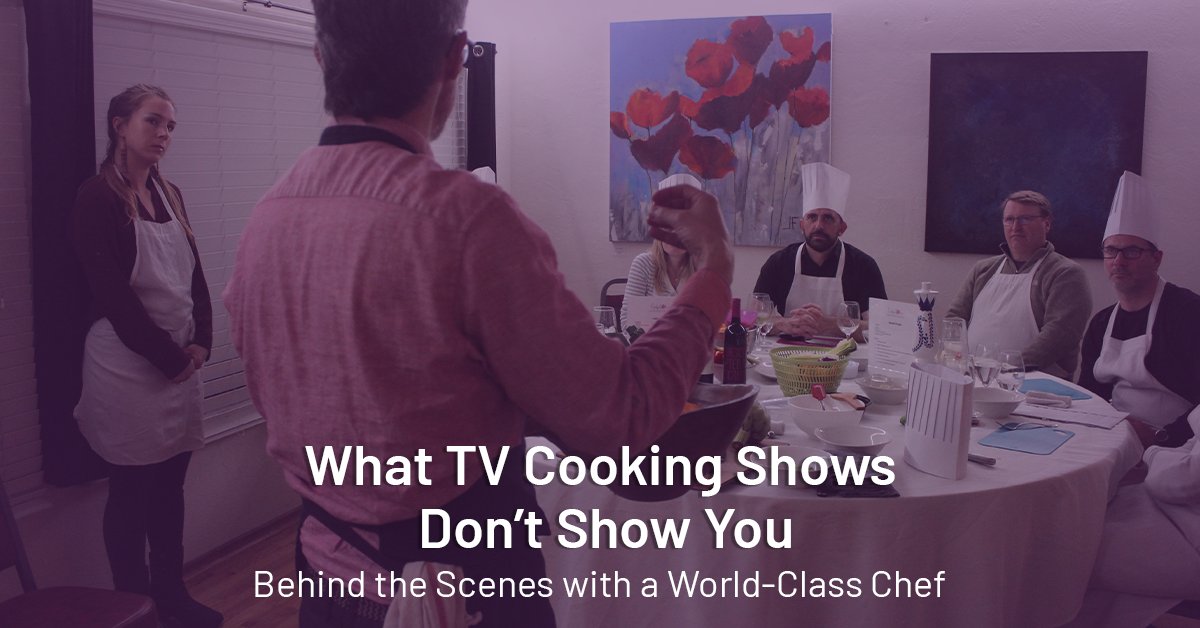
“Mastery in the kitchen isn’t about the spotlight, it’s about what you do when no one’s watching.”
Table of Contents
- The Polished Illusion of TV Cooking Shows
- What Actually Happens Behind the Scenes
- The Truth About Pressure and Precision
- How I Train My Team at Capitola Garden Feast
- What Junior Chefs Should Focus On
- My Top Tips for Aspiring Culinary Artists
- Conclusion & Call to Action
- FAQs
The Polished Illusion of TV Cooking Shows
I’ve cooked for royalty, legends, and even the Pope. I’ve stood behind the stoves at Michelin-starred kitchens and under garden lights in private estates. But I’ll tell you straight, TV cooking shows don’t even scratch the surface of what it takes to be a chef at the highest level.
Don’t get me wrong, I enjoy the entertainment. They highlight creativity and glamour. But if you’re a young chef watching from your couch, dreaming of Michelin stars or private clients in luxury homes, know this: the real work happens off camera. That’s where chefs are made.
As the founder of Capitola Garden Feast, where we specialize in luxury private dining in homes and gardens, I’ve learned that cooking at a world-class level demands more than flair. It takes discipline, mental grit, and a deep understanding of hospitality.
What Actually Happens Behind the Scenes?
TV shows glamorize the final plating, but skip the part where you break down fish at 5 a.m. or rework a sauce five times because the acidity is just slightly off. They don’t show the sore feet, the burned forearms, or the precision it takes to prep for a six-course garden dinner with no room for error.
Real kitchen life is about prep. It’s about repetition. And above all, it’s about consistency. Anyone can make one perfect dish. A world-class chef can do it 100 times, under pressure, with staff watching, and a client expecting excellence.
The Truth About Pressure and Precision
When you cook at this level, the pressure isn’t loud. It’s quiet, but intense. Guests expect magic, and you can’t let them see the seams. There’s no second take. You’re not just cooking, you’re orchestrating an experience.
I’ve served meals in Parisian palaces and California gardens. Each setting brings its own expectations. Whether it’s a candlelit birthday for two or a table of film producers, they all want the same thing: food that feels effortless, even though it’s anything but.
That’s the unspoken truth: great food doesn’t just taste good, it communicates. It tells a story about the ingredients, the season, and the person behind the plate.
How I Train My Team at Capitola Garden Feast?
At Capitola Garden Feast, we don’t train for speed, we train for accuracy. We treat ingredients like jewels. I teach my team to read the room, adapt on the fly, and never lose focus, even in the middle of laughter and champagne.
That discipline came from my time in top hotels, where even a basil leaf out of place was unacceptable. Junior chefs here learn to anticipate, not just react. It’s not about rushing, it’s about refining.
What Chefs Should Focus On?
If you’re just starting out, here’s what I wish someone had told me:
- Respect the mise en place. Your prep is your foundation.
- Sharpen your palate. Taste constantly. Train your senses.
- Be teachable. You don’t know everything, and that’s okay.
- Clean as you go. It’s not just good hygiene, it’s a mindset.
- Cook with humility. The dish matters more than your ego.
My Top Tips for Aspiring Culinary Artists
- Work under chefs who intimidate you. That’s where growth happens.
- Never rush learning the basics. Knife work, sauces, temperatures, master them.
- Watch how people eat, not just how they react. That tells you everything.
- Build endurance. The kitchen is a marathon, not a sprint.
- Remember that food is service. You’re not feeding mouths, you’re honoring moments.
Reach Out Today
Being a world-class chef has nothing to do with fame and everything to do with how you show up daily. It’s the quiet decisions, the extra wipe of the plate, the humility to start over without complaint. TV cooking shows may give you inspiration, but real growth happens when no one’s filming.
If you’re serious about the craft and want to see what elite culinary experiences look like outside of the screen, you’re always welcome to shadow a service at Capitola Garden Feast. We don’t just serve food, we create dining moments people never forget.
FAQs
- What’s the biggest difference between TV cooking shows and real-life chef work?
TV glamorizes the creative side, but real chef work is about precision, patience, and pressure management.
- What kind of clients do you typically serve?
We work with high-end private clients in luxury homes and gardens, often for milestone events and intimate gatherings.
- How can I improve my cooking skills as a beginner?
Focus on techniques over trends. Master knife skills, flavor balancing, and cooking fundamentals before chasing complexity.
From my kitchen to yours, keep showing up, keep refining, and keep loving the craft.